On flowers, cameras, travels, friends and other marvels of nature
Showing posts with label Flora Archaeologica. Show all posts
Monday, April 2, 2012
Friday, March 30, 2012
Hyacinthus orientalis
Peplos, Thrace, Mars 28, 2012
Hyacinthus orientalis originates in southern and central Turkey, northern Syria and Israel, from where it was introduced to Europe in early modernity. It is often cultivated, but it occurs in wild form as well. The main difference between the cultivar and the natural plant is the number of flowers per spike. On the cultivar they may range from 40 to 100, while on the natural plant (as the one on the pictures above) they are usually less than 15. According to Greek mythology Hyacinthe was a beautifull young lover of Apollo, who, when killed accidentally, was transformed by the god to the namebearing flower. The sources are numerous: Homer, Iliad ii.595-600; Apollodorus, Library 1.3.3; Ovid, Metamorphoses 10. 162-219; Pausanias, Description of Greece 3.1.3, 3.19.4; Philostratus the Elder, Images i.24; Philostratus the Younger, Images 14; Lucian, Dialogues of the Gods 14. However, the plant described by Theophrastus, History of Plants 6.6.10, under the name of hyakinthos, is not the one we call nowadays by the same name. It was probably some species of iris.
Sunday, March 18, 2012
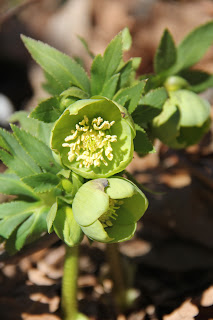
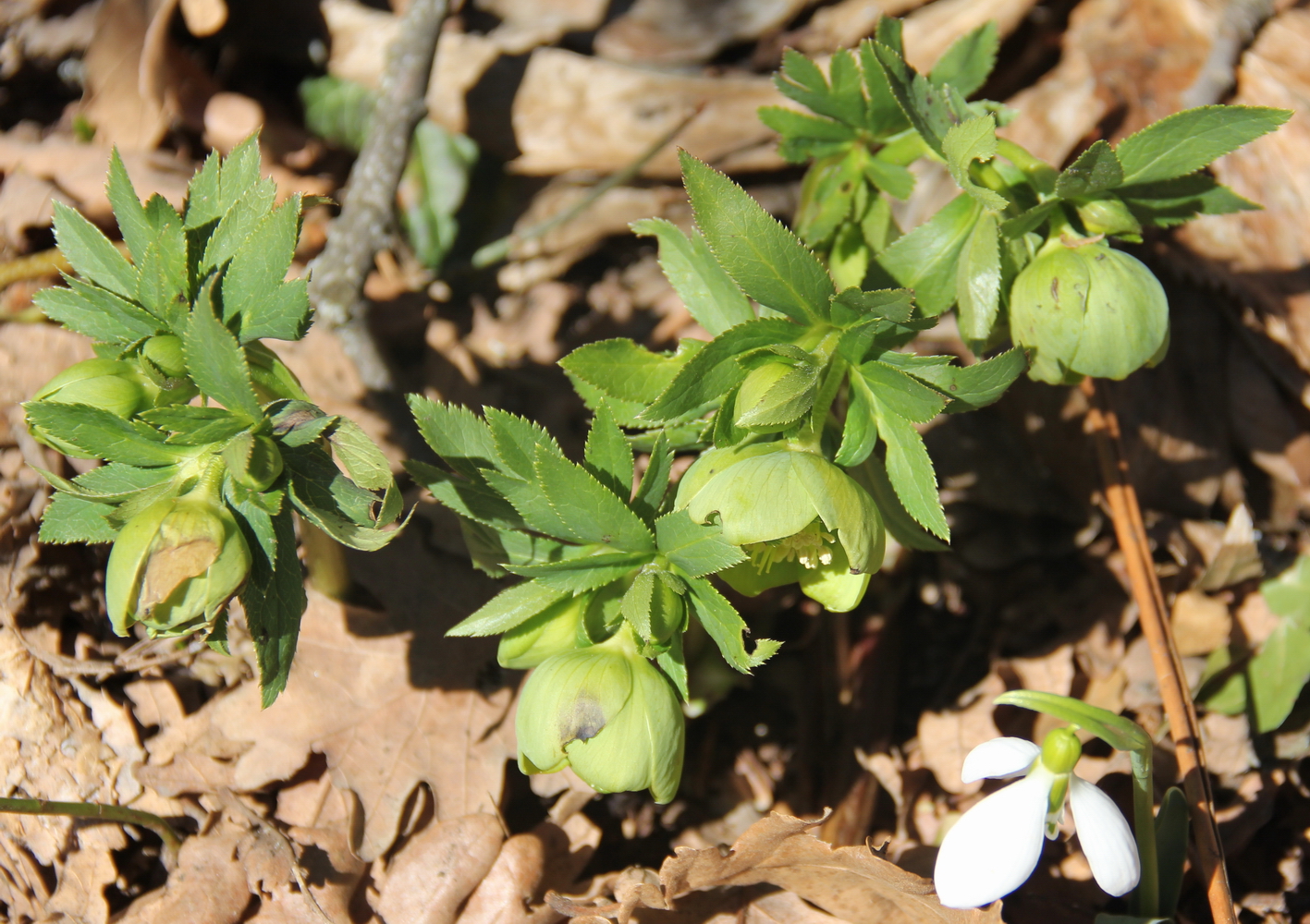
Helleborus cyclophyllus
Mt. Chortiatis, Macedonia, February 25, 2012
This is the only species of the genus Helleborus, which extends today to the Central Greece. The ancient sources, however, refer to Helleborus niger (ελλέβορος μέλας) as growing on Oeta, Parnassus and Helicon mountains, and been used by the ancient Greeks as a cure for epilepsy, melancholy and madness (Theophrastus, HP ΙΧ 2, 8.8, 10.2-4. Dioscorides, De materia medica IV 148-152, 162. Strabo ΙΧ 418. Pausanias Χ 37, 7-8. Horace, Sermones II 1. 83, 166; Ars Poetica 300. Pliny, HN XXV 47-52. Suetonius, De Vita Caesarum: Caius Caligula XXIX. Petronius, Satiricon 88, 4. Aulus Gellius, Noctes Atticae XVII 15. 1, 6. Valerius Maximus, VIII 7 fragm. 5. Frontinus, Strategemata III 7,6. Polyaenus, VI 13). Since Helleborus niger has never been reported in modern time Greece, it is quite possible that the species called today by this name is not identical with the "Helleborus niger" of the ancients. In this case Helleborus cyclophyllus (modern Greek name: σκάρφη) would be the most probable candidate to identify with the ελλέβορος μέλας of the ancient sources.
Thursday, January 19, 2012
Thursday, January 12, 2012
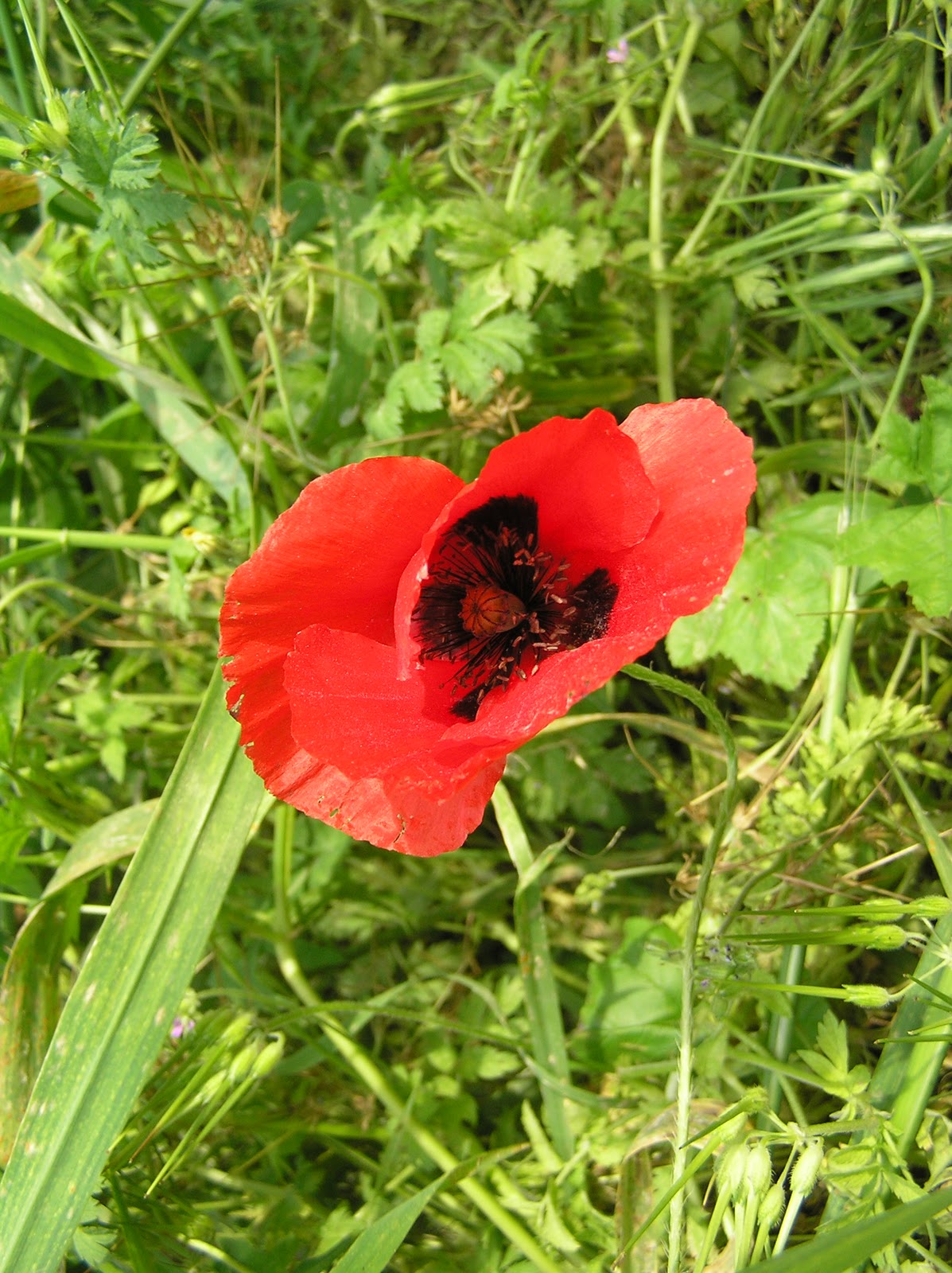
Papaver rhoeas
Ephesus, Turkey, May 26, 2011
Acropolis North slope, Athens, April 26, 2009
Antikyra, Corintian gulf, Mars 13, 2010
On the first picture Papaver rhoeas in front of the southern colonnade of the Tetragonos Agora in Ephesus. During this part of my trip I was alone, but just the day before we have visited Mylassa and Knidos with Olga, Despina and Beryl.
Friday, January 6, 2012
Thursday, January 5, 2012
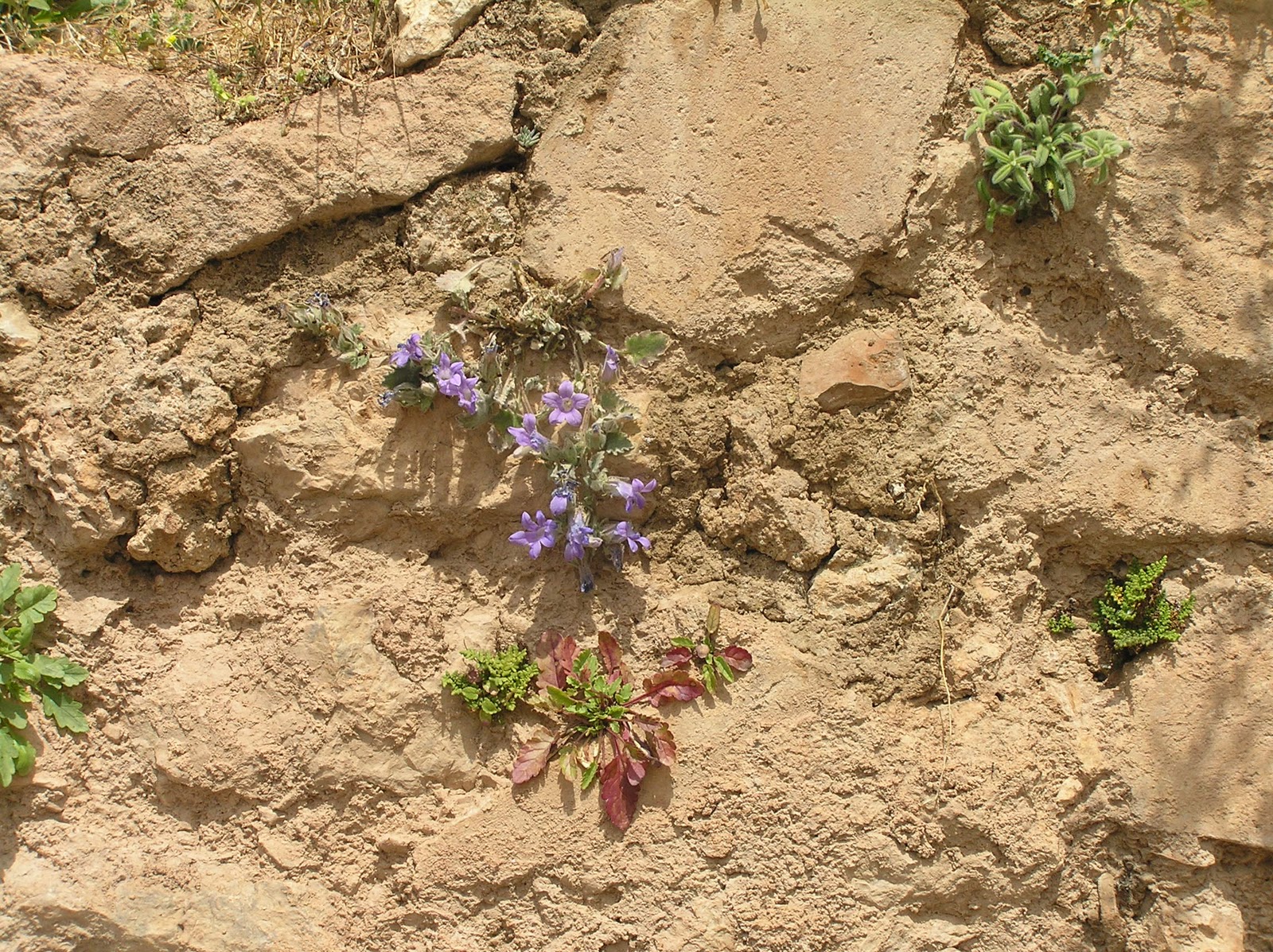
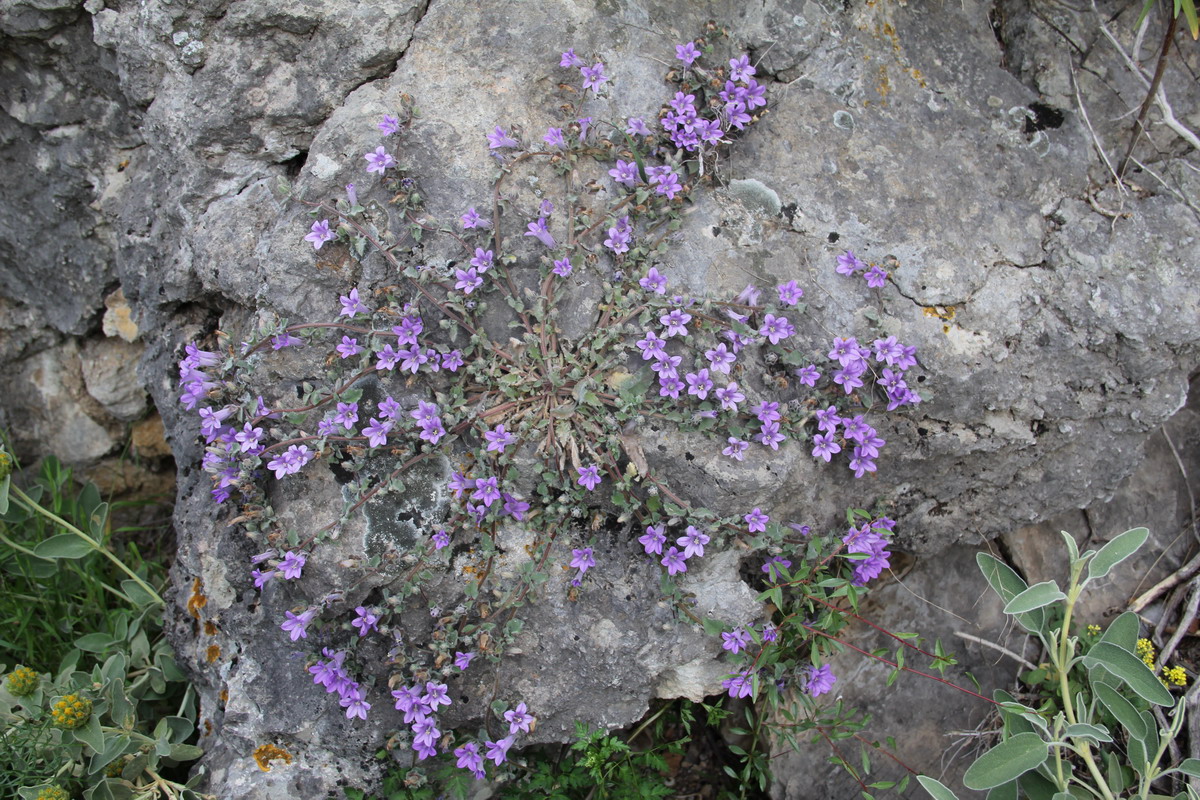
Campanula topaliana ssp. delphica
Delphi, Central Greece, Mars 25, 2010
Antikyra, Vroulia Castle, April 17, 2012
&
Aspra Sitia, Agios Mamas, April 16, 2012
Delphi is so close to my hometown that I used to say it is my hometown. I visited it countless times with almost all of my friends. But it was with Hana and John that I spoted for the first time a Campanula plant on the retaining wall North of the Apollo temple. Then I realized it was the particular taxa labeled 'delphica' of course...
The plant in Agios Mamas I discovered during a botanical tour with Katerina. She was ratehr surprised to see my excitement when I spoted it :-))
Subscribe to:
Posts (Atom)